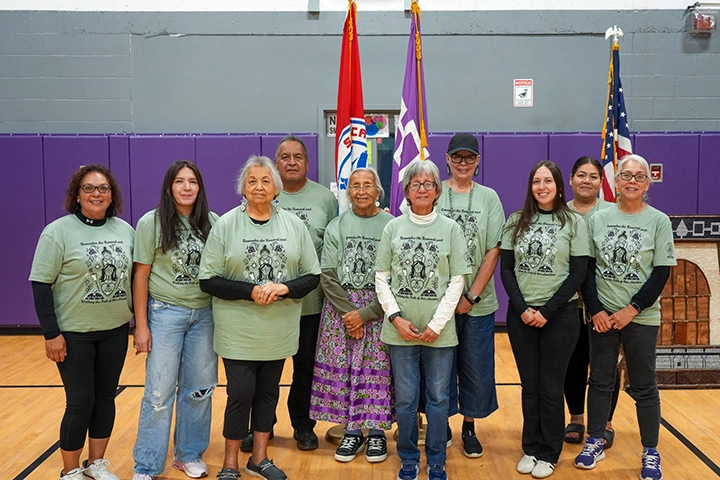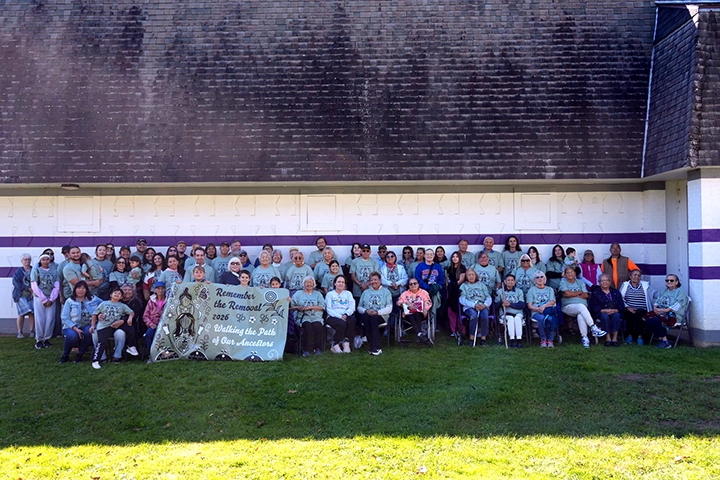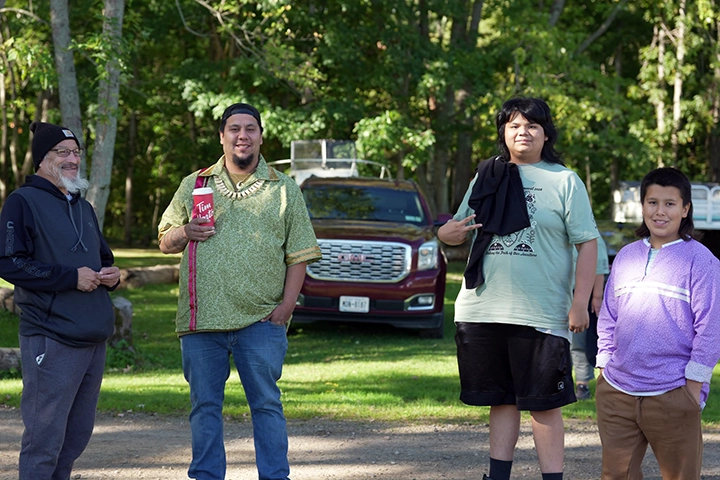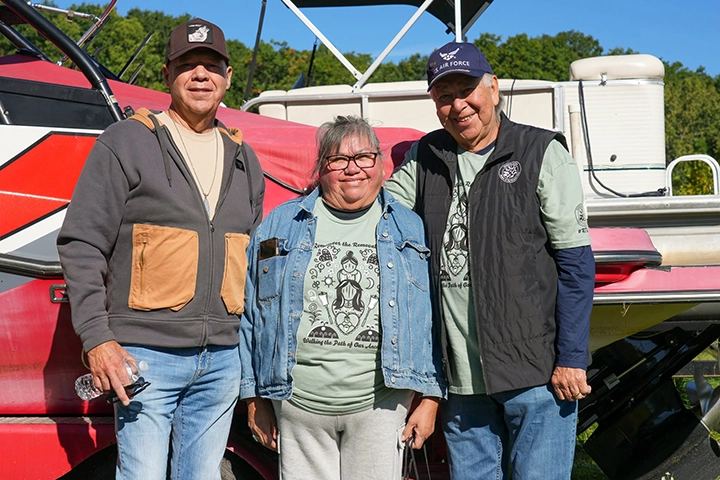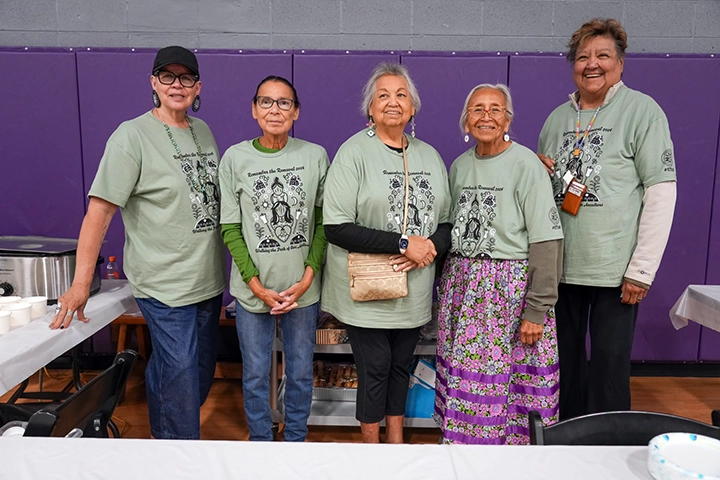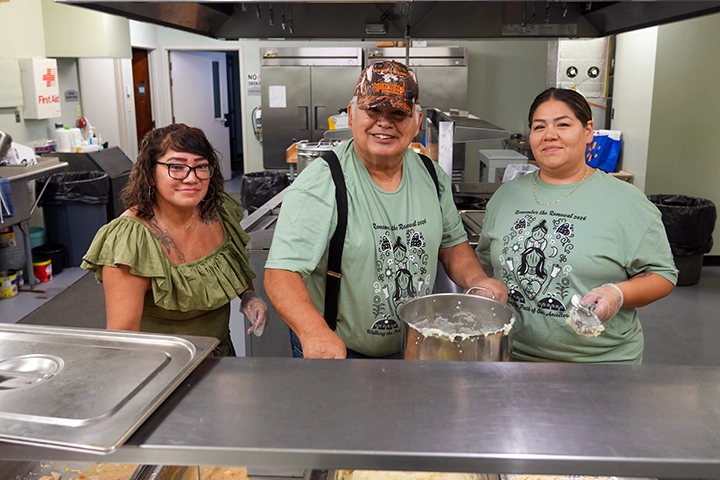
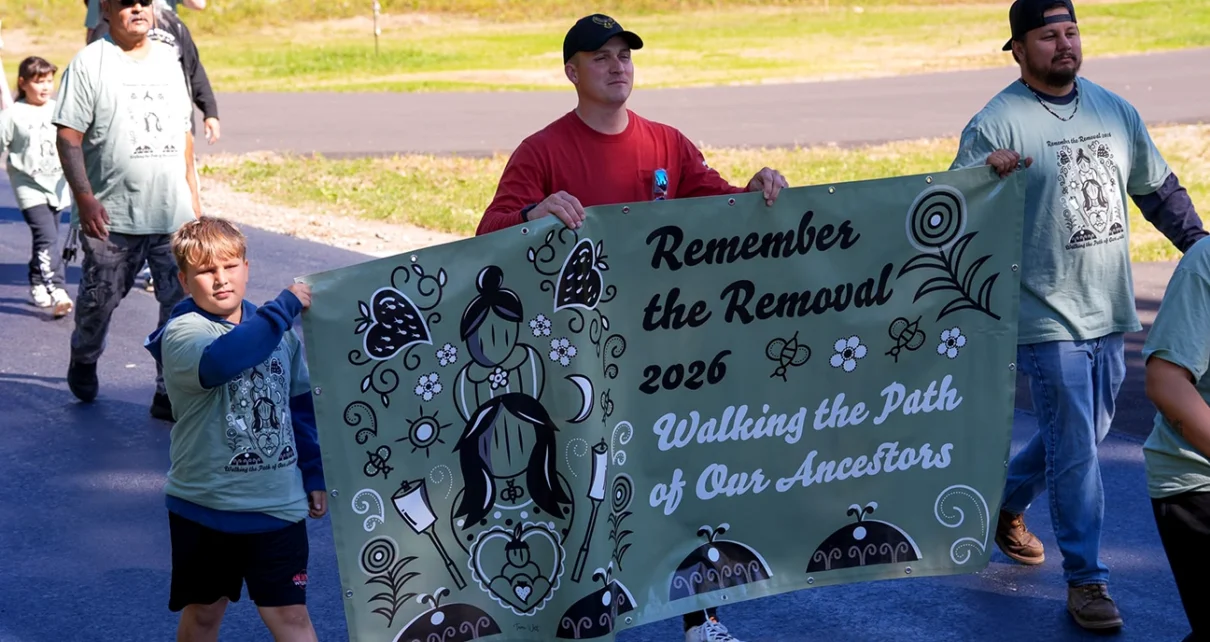
Remember the Removal Committee (RTR) commemorated the annual walk of remembrance on Saturday September 26, 2026. Each year the Seneca Allegany community gathers in remembrance, to honor the affected families, and unite to ensure Senecas are never removed or relocated again. The Allegany reservation lost more than 10,000 acres of farmland, family homes, sacred medicinal plants, and wildlife. The construction of the Kinzua Dam was built prevent flooding in Pittsburgh, PA. The dam cost 146 families their homes and way of life. The forced removal has affected Seneca families, their descendants, and way of life for the last 60+ years.
The month of September has been dedicated to history of Remember the Removal. The committee hosted educational events leading up to the remembrance walk that took place on the last Saturday of September. A 5k at Jimtown Field Day on August 29, was the kickoff event. The 5k route went through the relocation community of Jimersontown.
The Seneca Youth Dancers hosted a social dance at the Salamanca High School. Committee members Sue John-Blacksnake and Nancy Toth spoke on the way of life before the dam and encouraged all participants to join the walk. Survivor Dennis Bowen spoke to the youth dancers about how sacred our land is and how it must be protected at all costs.
Survivor Becki Bowen hosted a lecture on the timeline of the construction of the Kinzua Dam, how it affected Seneca families, and the history of RTR. She gave a clear explanation of why we remember every year even though it can be painful but also healing, “we need to remember so it doesn’t happen again. We must find our own ways to heal,” shared Becki
Gina Maybee shared that she attends RTR every year to celebrate the resiliency of her family that survived the removal.
“I feel sadness and despair for what my ancestors, family, and my mother went through but I also feel pride that we are here sharing knowledge and information. It’s comforting that everyone can share their thoughts and feelings together,” shared Alyza Bowen.
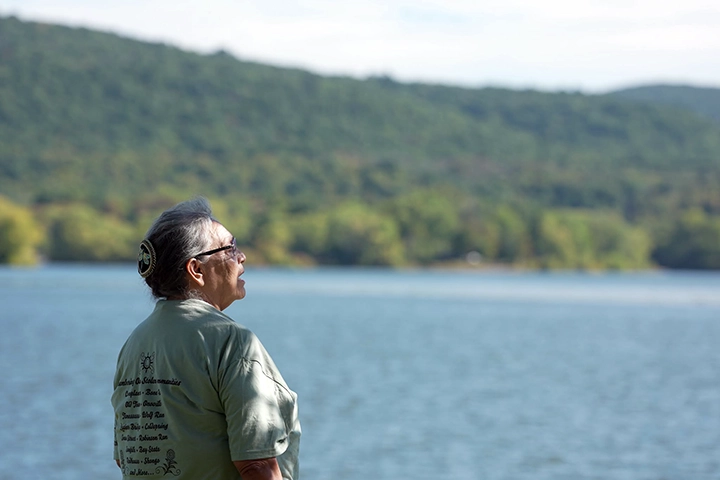
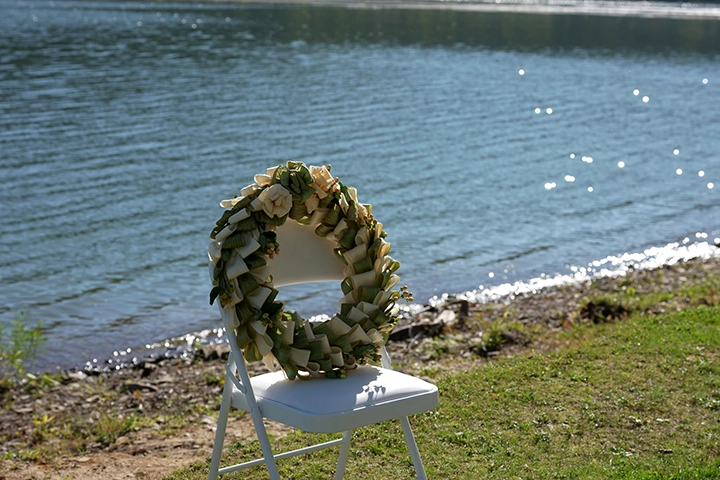
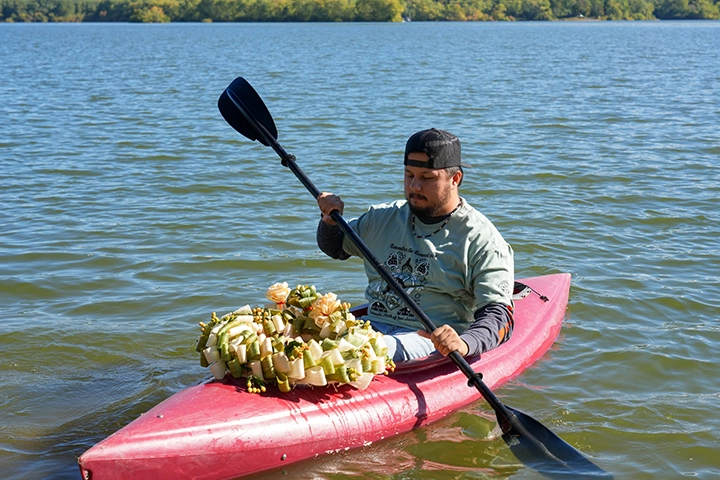
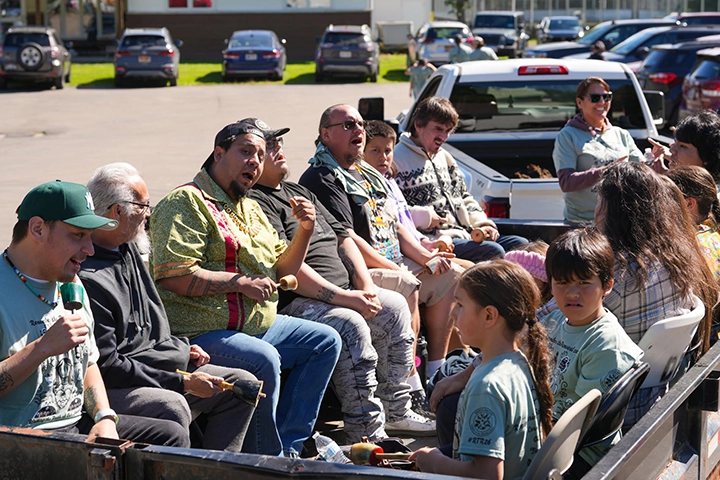
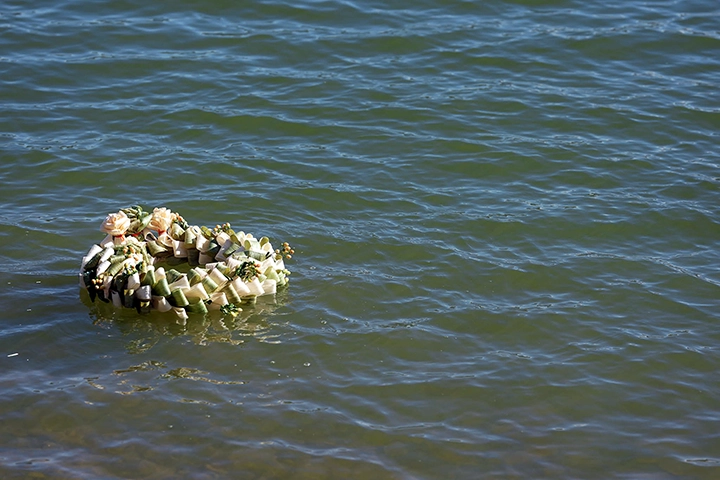
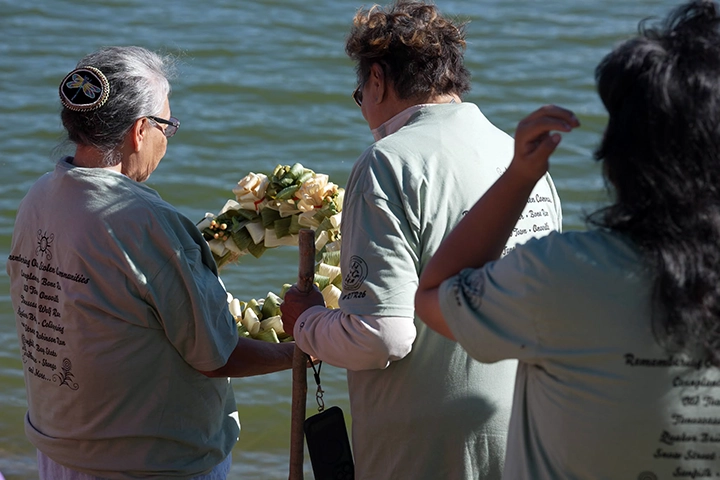
The remembrance walk was held in the relocation area in Steamburg, NY. A wreath ceremony and song was held at the Highbanks boat launch. Walkers went around the loops in Steamburg with relocated homesteads displayed.
Survivor Debbie Hoag spoke of her memories of Coldspring and the Indian Village her father Lester Jimerson helped manage. He led their large family of 11 on stage during the summer months they were off school. She remembers that Coleman John cooked food, tourists came through daily and their whole family traveling across the southern tier to for dance shows.
1365 Committee’s Madison Brown gave insight and updates on the progress of reconstructing the community we once had in the Red House area. Although many acres are inundated, the 1365 committee has identified areas that would be able to be built on. It is their vision to see a community on our lost lands again.
For Lillian Taylor, memories of the land taken by the Kinzua Dam are tied to memories of her family and the farm where she grew up.
Lillian was born at home and raised on her family’s farm along the river. Her mother died when she was six years old, leaving her father Ulysses to raise the family with the help of her older sisters. She recalled that a social worker attempted to have them sent to Thomas Indian School, but her father refused.
“She even came back a couple weeks later,” she said. Her father again told the social worker “No!” and told her not to come back. Taylor proudly remained where she grew up helping her father on the farm.
Lillian was in her 20’s and attending school in Buffalo around the time families were forced from their homes for the Kinzua Dam project. She remembers how deeply the removal affected her father.
“I know my dad felt bad, because he was a farmer,” Taylor said. “It was really painful.”
Taylor said being with family has helped her through the loss, and gatherings like this give her a chance to see people she has not seen in years and remember those times together.
For those who grew up there, the memories are of more than the land itself, but of the families, farms and everyday life that once existed there.
“It feels good to remember the past together with my community and family,” shared Hattie Watt.