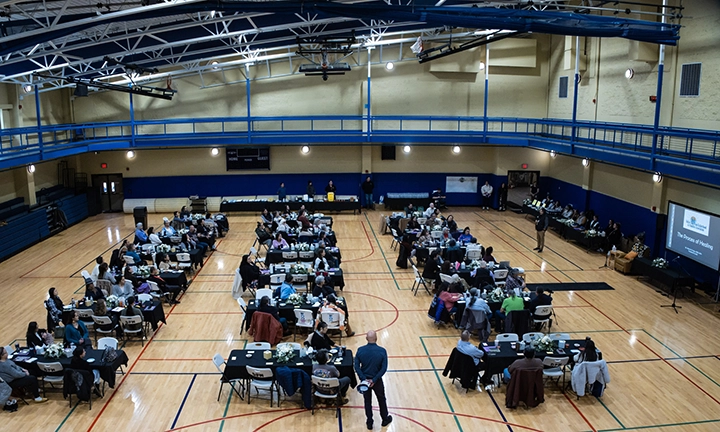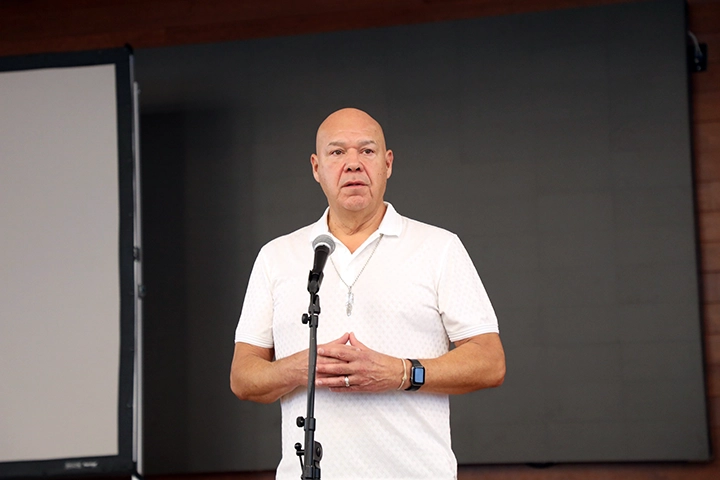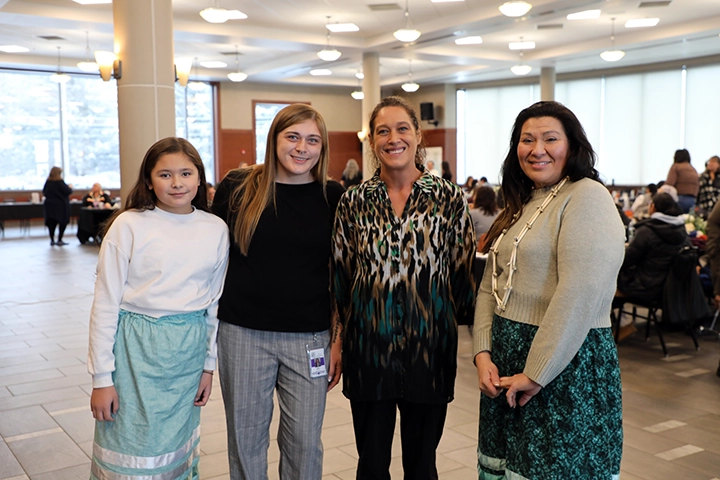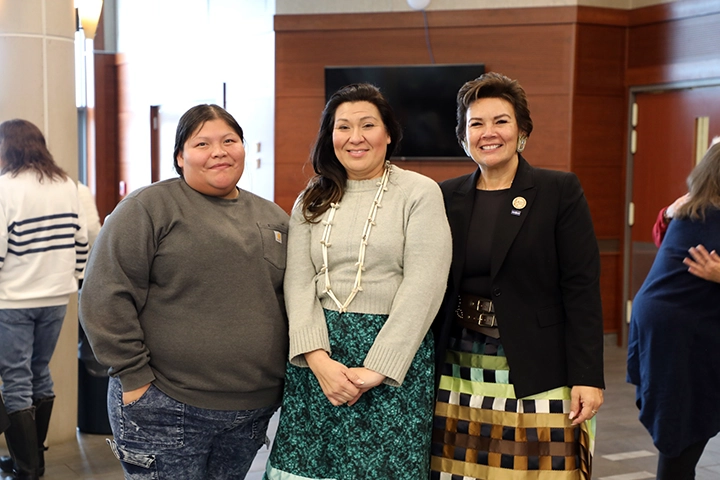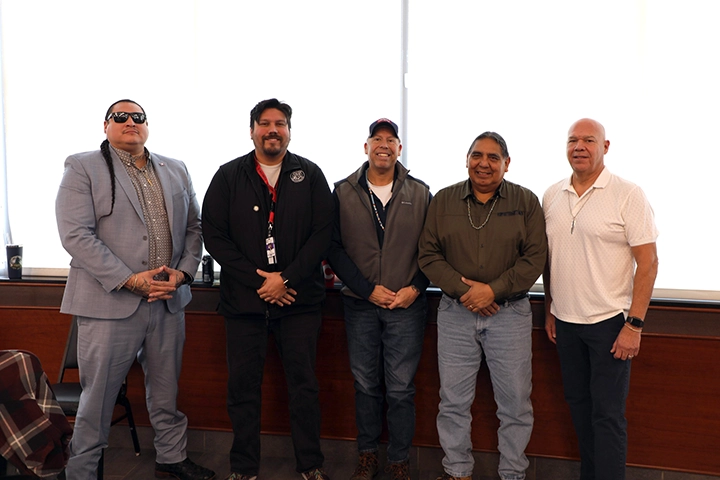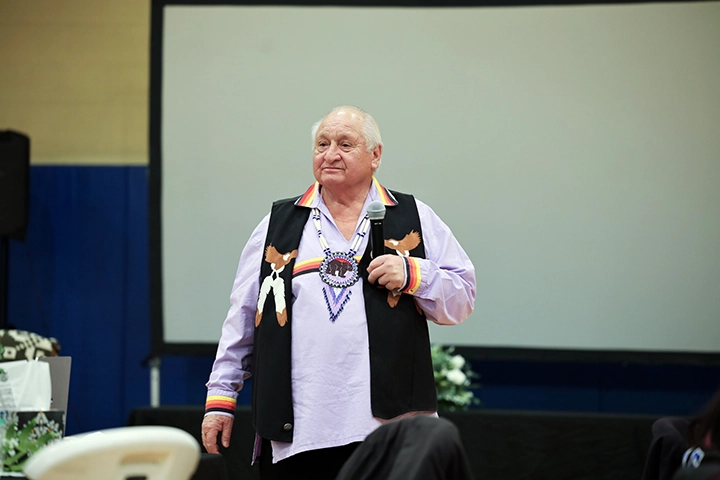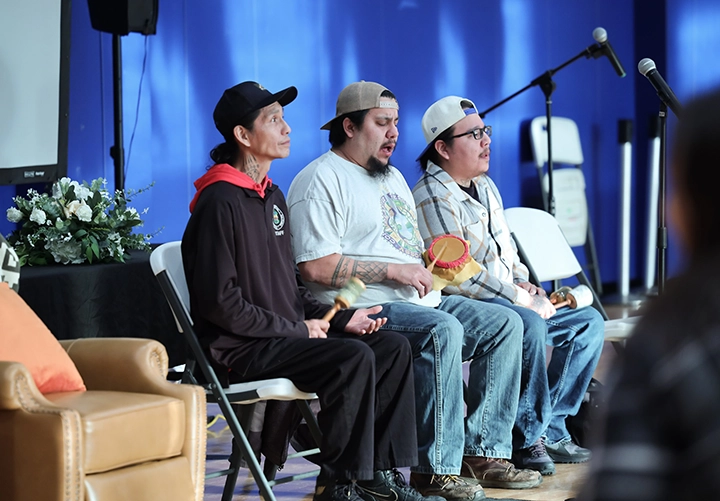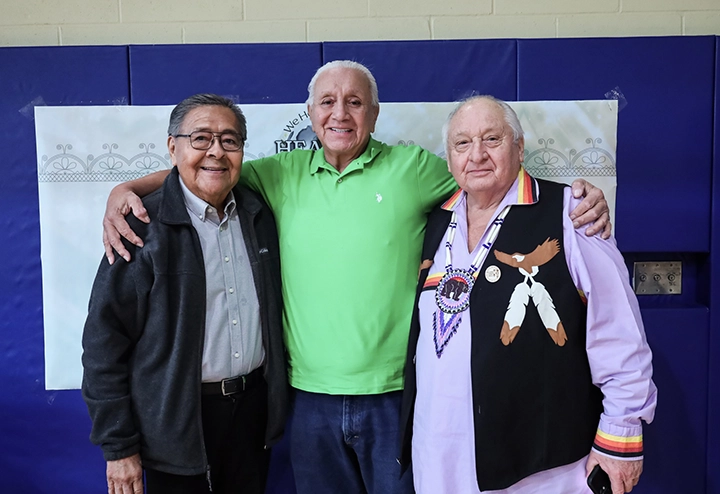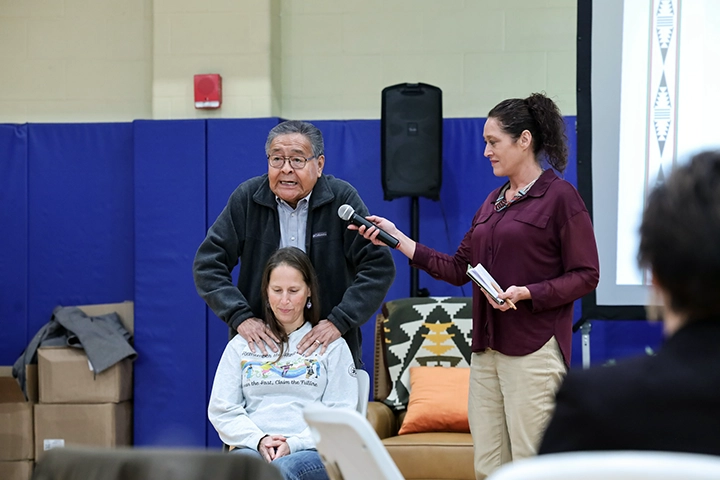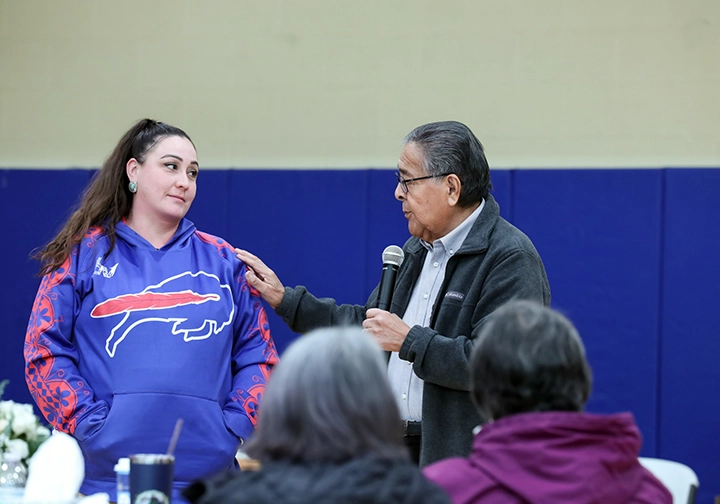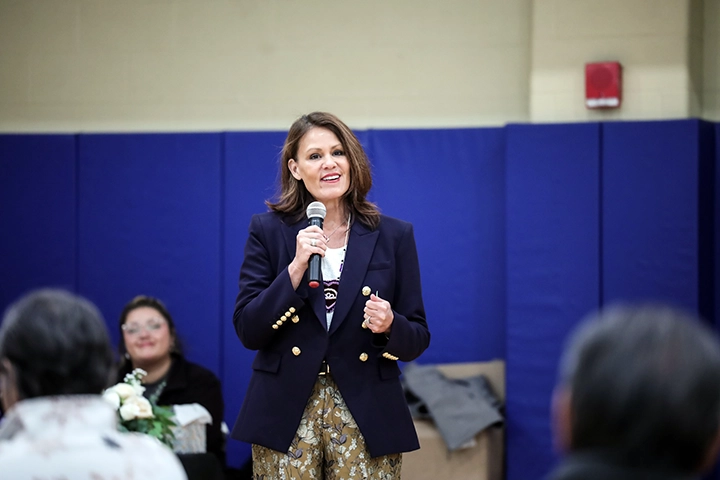
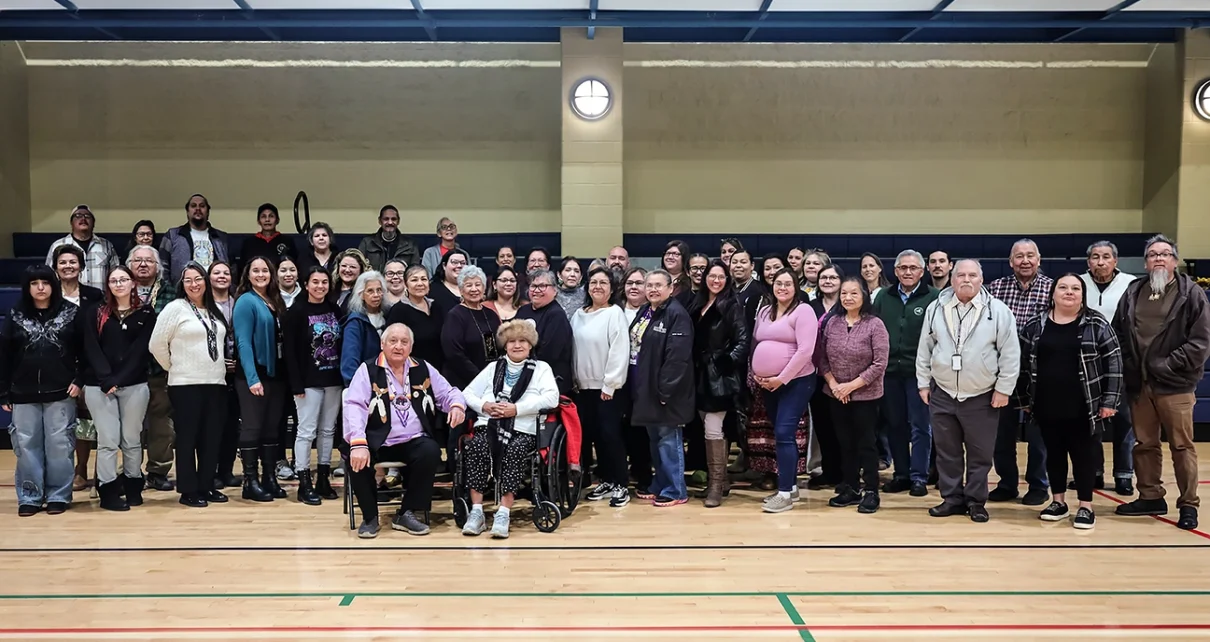
Community members gathered on December 2nd and 3rd at the Seneca Cattaraugus Fire Hall and Allegany Community Center for Healing Sessions Open to All
The gatherings focused on healing, accountability, and strengthening individuals, families, and communities through honest reflection and open discussion. Both speakers brought perspectives rooted in lived experience, cultural knowledge, and long-standing work within Native communities.
Pooley, a Hopi and Navajo tribal member, is known for his work as a counselor and national speaker focused on trauma, family wellness, and healing within Native communities.
During the sessions, he spoke about how unresolved trauma can shape behavior, relationships, and decision making. He emphasized the importance of acknowledging pain directly and learning healthier ways to respond, rather than avoiding or suppressing difficult emotions. He stressed that healing is an ongoing process that requires effort, honesty, and support from others.
Tom Porter, a respected Mohawk elder and speaker, shared teachings grounded in Indigenous values and cultural understanding. His teachings focused on balance, respect, and the importance of maintaining strong connections to culture, community, and one another. Porter spoke about the role of traditional teachings in guiding people through challenges and restoring harmony in both personal and collective life.
Pooley’s message centered on responsibility and self-awareness, encouraging participants to reflect on how healing is not only personal, but also impacts families and future generations. He says, “When we heal families, we can heal a nation”.
Attendee Gina Maybee said “A message from Tom Porter that resonated with me most was to not be resentful about the way our parents raised us, or grandparents, especially if they didn’t show affection. Have compassion for them because they weren’t taught how to be loving, nurturing parents. Those skills were taken away from them during the Residential school era, and they never experienced those displays of affection.”
Together, Pooley and Porter created space for meaningful dialogue, encouraging participants to listen, reflect, and engage with one another in a respectful environment. Rather than offering quick solutions, the sessions emphasized long-term growth, accountability, and the importance of community support in the healing process. They said we are worth more than the worst mistake we’ve ever made.
Weso’ Nya:wëh to our guest speakers, Albert Pooley and Tom Porter, President Seneca, Councilors and Executives, all the departments, community partners, and especially our community members.