Nativa functions as a Seneca Nation enterprise, with ownership, operations, and long-term planning firmly rooted within the Seneca Nation
By Alyssa Brooks, Reporter
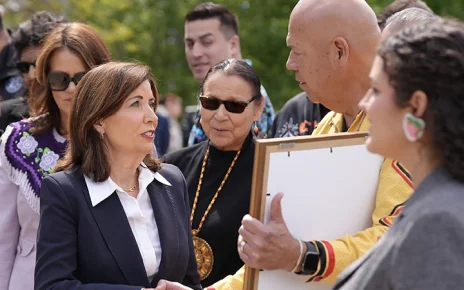
Nativa is redefining what a tribally owned cannabis operation can look like. Grounded in experience, transparency, and full control of the process from seed to finished product. During a recent guided tour of Seneca Nation owned cannabis production facility in Cuba, New York, Nativa team members walked visitors through every stage of production, offering an in depth look at how cannabis is cultivated, processed, and refined on site.
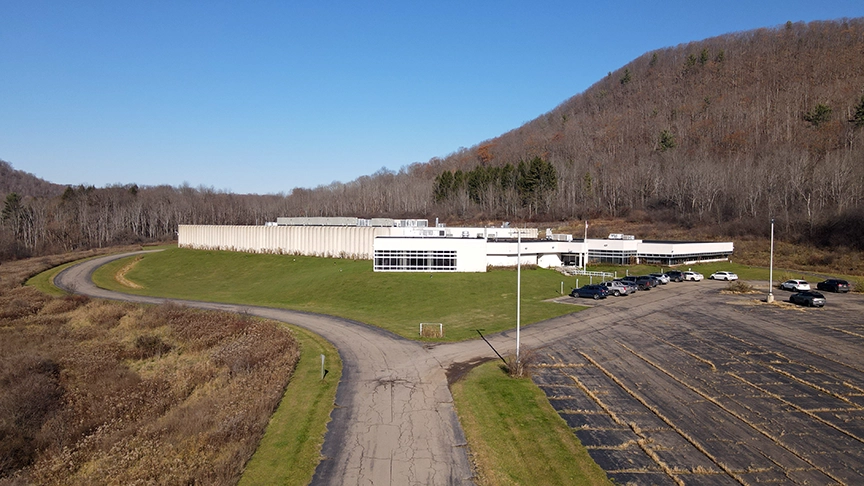
The Nativa processing facility is located at the former Tracewell Manufacturing facility (pictured below). The Nation has owned that property since 2008, when it was purchased for future economic development purposes. The facility is approximately 92,000 square feet and was originally designed for advanced electronics manufacturing before becoming vacant.
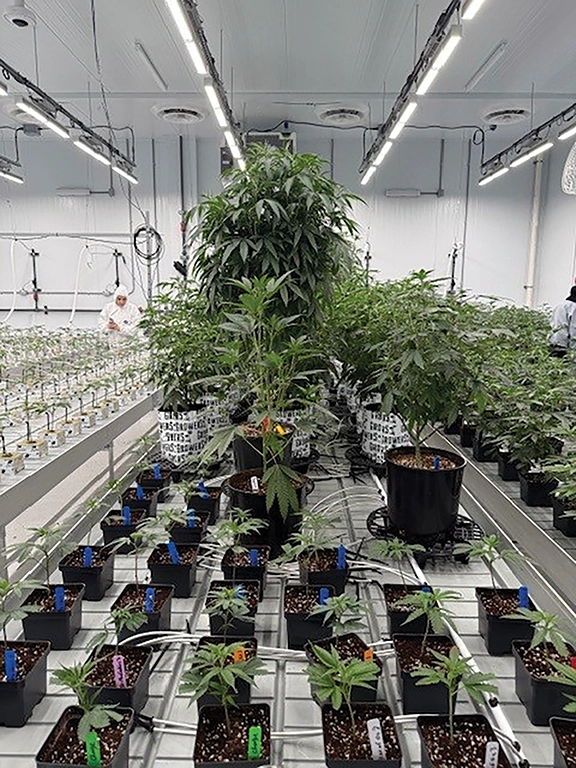
The tour began with genetics and cultivation, where staff explained how careful strain selection and controlled growing environments set the foundation for quality and consistency. From there, visitors followed the process through harvesting, drying, processing, and finally solvent-less rosin extraction.
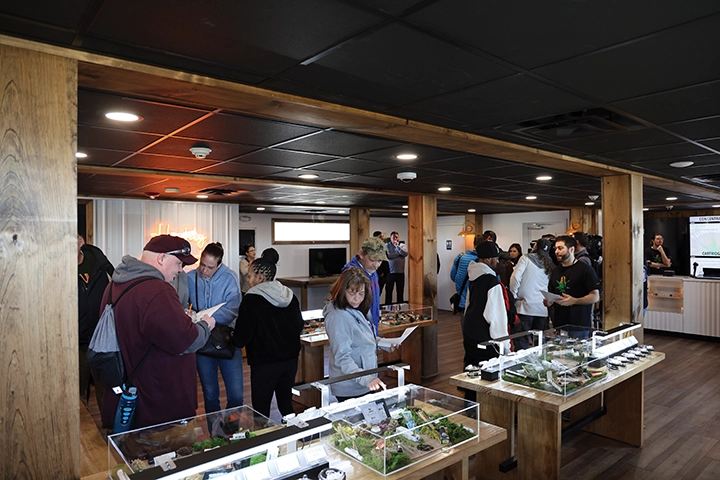
The Seneca Nation opened the Nativa Cannabis dispensary in Niagara Falls on April 12, 2023, following months of planning and construction. Unlike many dispensaries that rely on third-party growers or outside manufacturers, Nativa operates as a vertically integrated facility, where all stages of a product’s lifecycle are handled by the same organization, rather than being split among different companies.
This structure allows the team to oversee each phase of production under one roof, ensuring accountability and quality control from start to finish. This approach not only improves consistency but also allows workers to respond quickly to issues that can arise during cultivation or processing.
The team behind Nativa brings decades of combined experience in regulated cannabis markets, with professional roots in both Colorado and California. These states are among the earliest to legalize recreational cannabis and helped shape modern cannabis regulations and industry standards. According to crew, working in those early markets provided valuable insight into compliance, scaling operations, and maintaining quality in a highly regulated environment.
Another point emphasized during the tour was that Nativa follows stricter quality and operating standards than those required under New York State regulations. While New York establishes minimum standards for safety, testing, and compliance, Nativa has implemented additional layers of oversight for quality control at each stage of production.
That experience now informs the standards being applied at Nativa. Staff explained that many of the protocols used in the facility were developed through years of trial, refinement, and adaptation in those earlier markets. This includes plant health monitoring, environmental controls, and data driven decision making.
From managing pests and nutrient balance to refining harvest timing and post processing techniques, each step requires close attention and informed judgment. Consistency is not achieved through shortcuts but through repetition, documentation, and long-term observation.
One area that drew particular interest during the tour was Nativa’s approach to solvent-less rosin extraction. They explained how rosin is produced using only heat and pressure, avoiding chemical solvents altogether. This method preserves naturally occurring compounds in the plant while maintaining a cleaner, more transparent extraction process. Visitors were shown how material is prepared, pressed, and evaluated, highlighting the precision required at each stage.
Environmental responsibility and sustainability were also recurring themes throughout the visit. The team described how energy use, waste reduction, and environmental controls are factored into daily operations. While cannabis production can be resource intensive, the team stressed the importance of minimizing impact wherever possible and building systems that are sustainable over the long term.
As a Seneca owned enterprise, Nativa represents more than a business, it reflects an assertion of economic sovereignty. By maintaining ownership and operational control within the Nation, Nativa ensures that decision making remains tribal and local rather than outsourced. This structure allows the facility to align its practices with Seneca values while supporting long-term economic development.
By bringing together experienced leadership, in house production, and Seneca ownership, Nativa demonstrates how tribal nations can take an active role in shaping new industries. From cultivation to the packaging, the operation reflects a focus on quality, responsibility, and self-determination that extends beyond the facility itself.
Nya:weh to staff Head of Cultivation – Josh Henry, Head Of Solventless- Tyler Hewitt, Head Of Security- Jessie Alejandro, Lead Cultivation Tech- Brooke W, and General Manager- Trey Franey for the well informed tour and visit of the site.