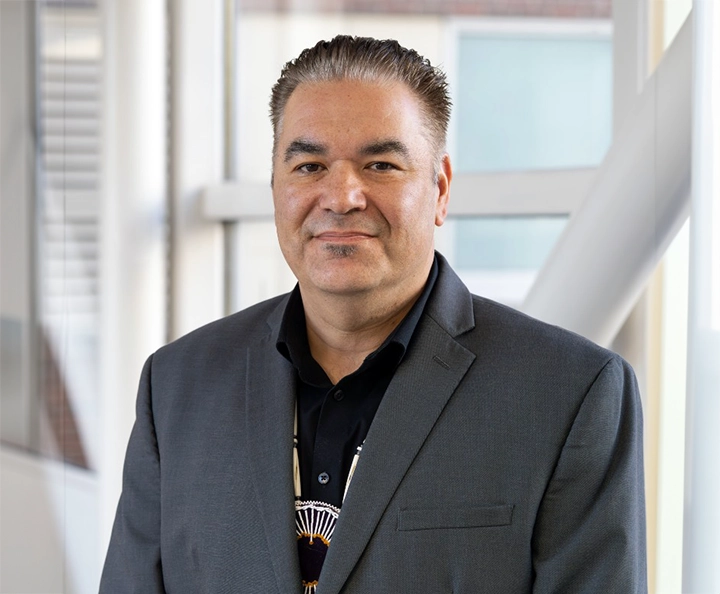
Dr. Rodney Haring, Ph.D, from the Roswell Park Comprehensive Cancer Center Department of Indigenous Cancer Health recently spoke with The Radiological Society of North America & research on the disparties in American Indian and Alaska Native communities.
Can you explain how tribal institutional review boards and tribal tribal sovereignty shape the research process and why these safeguards are essential?
The conversations around research and the ethical practices of research with native nations or tribes is important because the history of research hasn’t always been beneficial to native people or native tribes. Native Americans are not only a racial or ethnic category in the United States, but we’re a political classification and are native nations just like any other country in the world. So, we’re nations within the United States context and as such we have our own governance type of overview oversights over research and many tribes do have their own tribal institutional review board and or a form of that that’s often a governance council whether it be a health board, health committee, tribal council, governors, chiefs, presidents of the native nations that oversee and give review and tribal resolution to be a partner to research.
What does effective community engagement actually look like in practice and how does it influence the design, imple implementation and sharing of research findings?
It’s important because tribes must be part of that research process. They must instill ethical practices that may be different than other non-nation, non-native type research paradigms or process and that it’s really important for the community and the tribal governments to be guiding the research to make sure that it’s not only relevant to the community, but it’s culturally safe for the community and that the community is involved to provide evidence that is relevant for native nations and native peoples.
What does effective community engagement actually look like in practice and how does it influence the design, imple implementation and sharing of research findings?
Community outreach and engagement is important to communication whether it be initiating and developing and quote creating materials that are culturally relevant um to the tribal nations and native nations. The most important thing is to think about you know many universities cancer centers and other institutions may have an outreach and engagement type process but it’s different for tribes and native nations because again we are nations of the United States and have a different engagement patterns different approvals to allow types of engagement in our communities.
So it’s important for universities centers and institutions organizations to really understand those nuances of how to work in a government to government to institutional type engagement patterns and relationship building between the institution whether it be research clinical practice or other but it also in the dissemination of materials when you have an outreach team that provides information from the community by the community we really can make a difference.
Can you tell me what key lessons have emerged from successful case studies and how can these approaches be applied to improve imaging equity in other settings?
It’s important to understand our history. And if you look at the history of native nations and the United States and the history of native nations in Canada, the history of native nations and other countries that have indigenous and all countries have indigenous populations.
What is that history and what does it mean to our people today?
For many if not all native nations it’s been a challenging history but the important part is now the time to understand that history. Now is the time to build resiliency and platforms and embrace our indigenous knowledge. The survivorship of our people is important, and we a have a philosophy of the seventh generation. What does that mean? That means that the things that we do now, the processes that we put in place for the here and now, aren’t really for the here and now. It isn’t even for the next generations, but it’s for seven generations forward. How we formalize platforms around radiology and clinical trials and imaging and research in general, seven generations forward. That’s how we sustain ourselves as people to really have that thought and mindset. So, although there has been the history of boarding schools where we weren’t allowed to speak our language, we weren’t allowed to practice our ancestral ways of life. Now is the time to re-embrace that and incorporate into our process of radiologic care, our process of research and surgery, and our process of health and wellness for our peoples.