Submitted by Andrew Howard, Conservation, Fish & Wildlife Manager
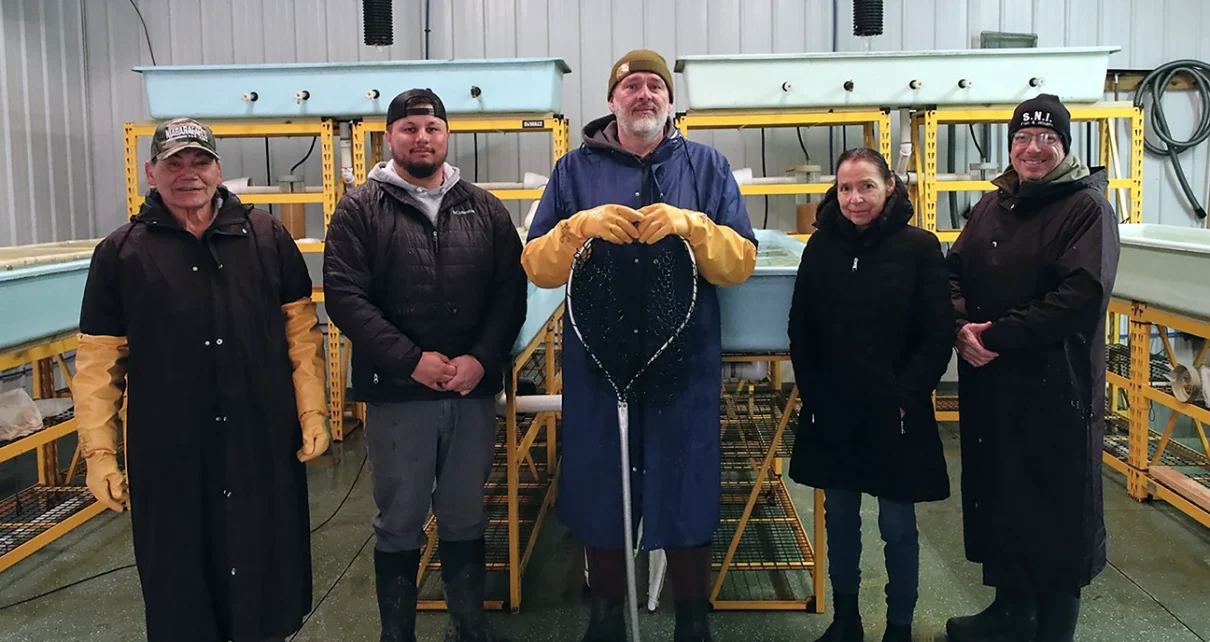
This spring, hatchery staff completed the full walleye production cycle, including preparation, broodstock collection, spawning, incubation, and fry release.
The process starts with a full cleaning of the hatchery. Raceways, hatching jars, work surfaces, and windows are scrubbed, and debris is removed. Equipment is inspected at the same time, including oxygen tanks, tannic acid supplies, and nets. Any worn or damaged gear is repaired or replaced.
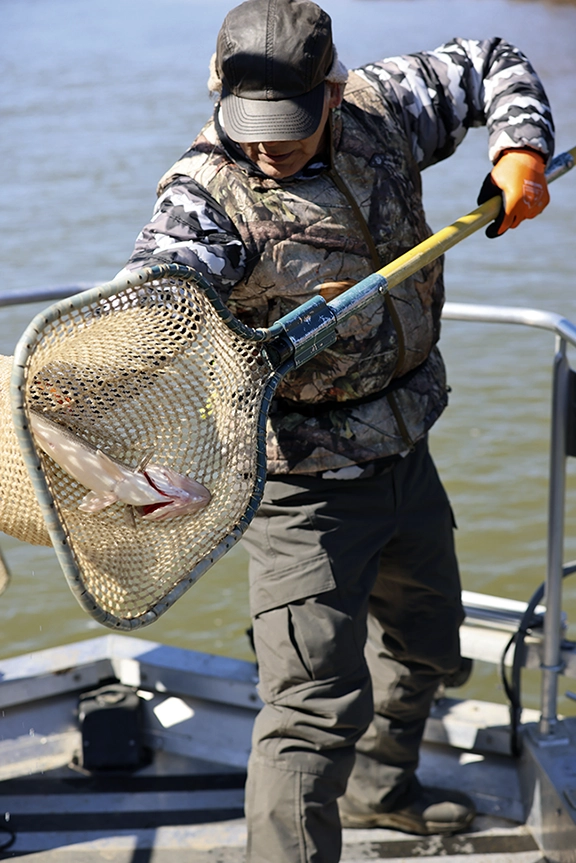
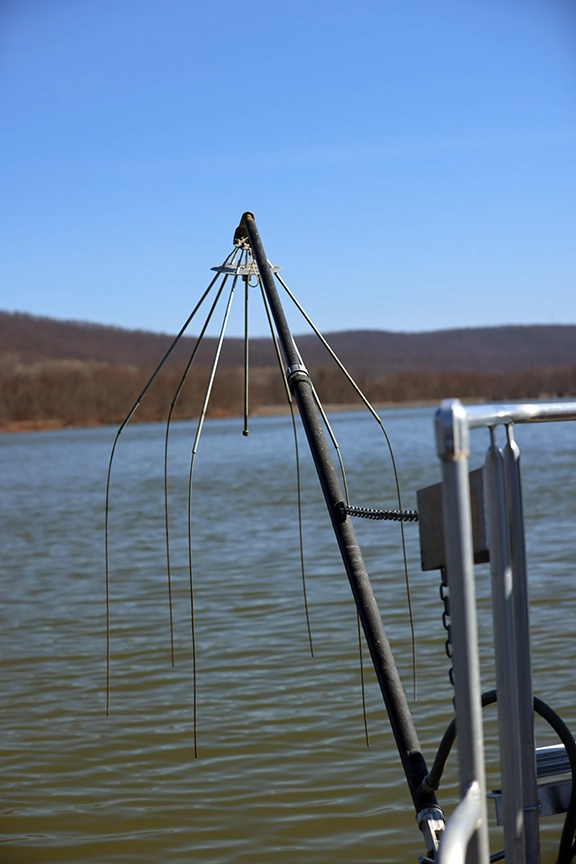
The electrofishing boat is prepared before collection begins. It is cleaned, batteries are installed, and both the generator and outboard motor are tested. Fluids are checked, safety and repair equipment is restocked, and fuel levels are topped off before launching.
Walleye are collected using electrofishing methods along the Allegheny River. Fish are gathered until enough males and females are secured, with additional effort focused on larger adults. Fish are transferred from the boat’s live well into a transport tank, then brought back to the hatchery and placed into holding raceways. Males and females are kept separate, and females are checked daily to determine when they are ready to spawn. Handling is kept brief to reduce stress and limit injury.
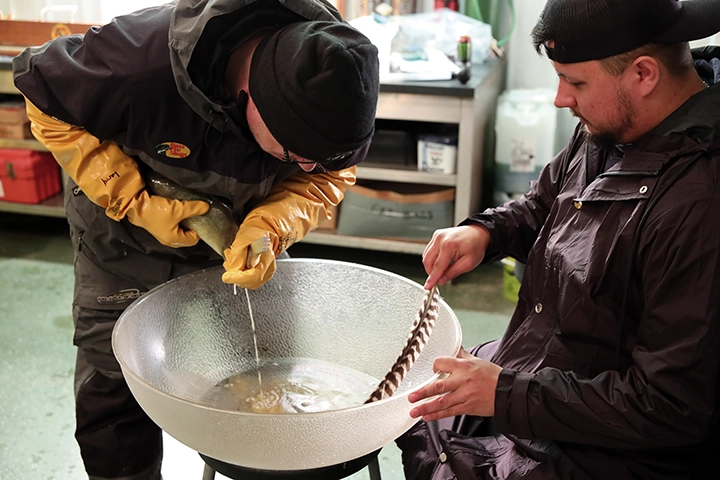
Next comes the spawning and fertilization process. When a female is ready, eggs are stripped into a bowl with a small amount of water. Milt from up to five males is added to each batch to support genetic diversity. The eggs and milt are mixed gently using a turkey feather to avoid damage.
Tannic acid is applied to remove the eggs’ natural stickiness and prevent sticking together. The eggs are then rinsed until the water runs clear and transferred into hatching jars. A constant flow of water keeps the eggs suspended during development.
Eggs hatch in approximately 30 days. Newly hatched fry swim to the surface for their first breath and then move into raceways for up to two days while absorbing their yolk sac.
Fry are counted using a graduated container marked in 100 milliliter increments. The measured volume is multiplied by 181 to estimate total numbers. (For example, 300 mL × 181 = 54,300 fry). Once counted, fry are placed into oxygenated bags and gradually acclimated to the temperature of the release site.
Fry are released near submerged Christmas tree structures installed during the winter. These structures provide both food and cover for young fish to have a better chance at survival.
After all releases are complete, the hatchery is deeply cleaned again in preparation for the off-season. Throughout the process, Conservation aims to handle walleye as little as possible; walleye do not feed well in captivity and prolonged handling increases stress and injury.
Nya:wëh to Fish & Wildlife for taking us along and for all you do to ensure these stocking initiatives are possible, your effort truly makes a difference!